

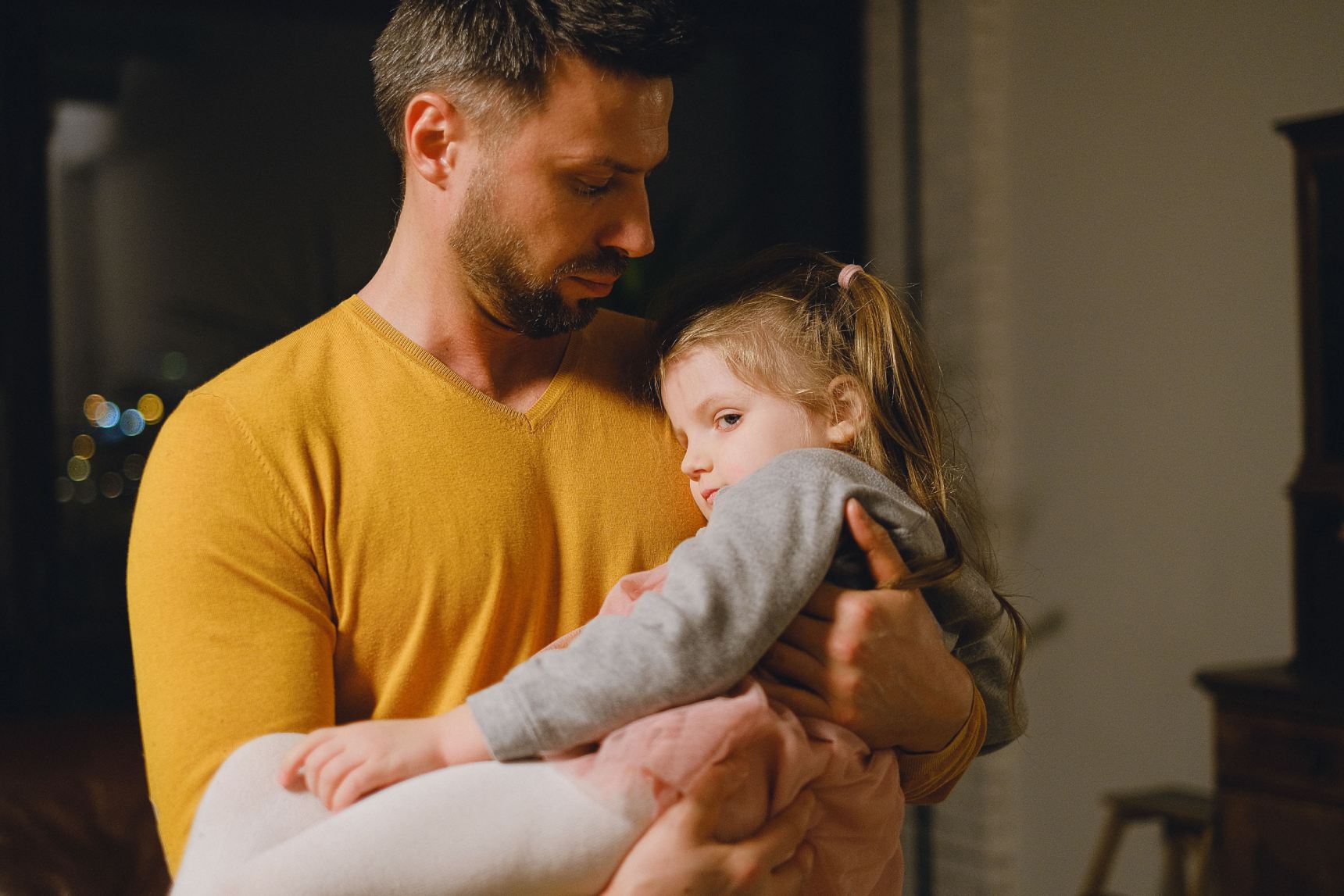
Protecting Children in Domestic Violence Cases

When domestic violence (often called Intimate Partner Violence (IPV) or just “family violence”) occurs within a family, the protection of the abused partner is naturally a key concern. But when there are children in the mix, the impact can be profound – even when the children have not been physically assaulted themselves.
Canadian Family Law increasingly recognizes this reality. As we have reported in a number of recent Blogs, the decision in Ahluwalia v. Ahluwalia, 2026 SCC 16, saw the Supreme Court of Canada formally recognize the existence of a new civil tort of IPV, and emphasize that abuse within an intimate relationship may involve much more than individual incidents of physical violence.
It can include coercive and controlling conduct such as:
- Intimidation,
- Isolation,
- Humiliation,
- Surveillance, and
- Financial control.
When children are involved, those same family dynamics can have an important effect on parenting arrangements.
The Best Interests of the Child Come First
Under both Ontario’s Children’s Law Reform Act and the federal Divorce Act, parenting decisions by a court must be based on a legal test known as the “best interests of the child.” The court must give primary consideration to the child’s physical, emotional and psychological safety, security and well-being.
Under that legislation, family violence is expressly part of that assessment. Both statutes require a court to consider its presence in the broader circumstances, whenever making parenting time or access decisions that impact a child.
Importantly, neither statute requires that the child has been physically harmed or directly assaulted. Instead, they specifically recognize that family violence, in the case of a child, includes both direct and indirect exposure to violent, threatening or coercive and controlling conduct.
In everyday life, this may look like a child who:
- Hears threats from another room by one parent against the other,
- Witnesses one parent assaulting or intimidating the other,
- Observes the aftermath of violence, or
- Lives in an atmosphere dominated by fear and control.
None of these involve the child being physically assaulted, but they may nonetheless be affected emotionally in a way that is legally and personally significant.
How Does Family Violence Affect Parenting Arrangements?
There is no automatic rule that a parent who has committed family violence will be denied parenting time. Instead, the court considers the particular circumstances of the family and, most importantly, the effect or potential effect of the violence on the child. Again, it is the “best interests of the child” test that governs.
In this context, the court may consider several factors including (but not limited to):
- The nature, seriousness and frequency of the violence,
- Whether there has been a pattern of coercive and controlling behaviour,
- Whether the child was directly or indirectly exposed to the violence,
- The physical, emotional or psychological harm – or risk of harm – to the child,
- Whether the violence compromises the safety of the child or another family member, and
- Whether the abusive parent has taken meaningful steps to prevent further violence and improve their ability to care for the child.
These considerations can affect both parenting time and decision-making responsibility.
For example, requiring parents to make major decisions jointly may be inappropriate where one parent has historically used intimidation or coercive control against the other. A parenting arrangement that appears cooperative on paper may simply provide another opportunity for that control to continue after separation.
Making Parenting Time Safer
Where the court concludes that a relationship with both parents remains in the child’s best interests, it may sometimes incorporate safeguards into the parenting arrangement ordered.
Depending on the circumstances, this might see the court:
- Carefully structuring parenting schedules,
- Putting restrictions on communication between the parents,
- Ordering supervised parenting time, or
- Ordering arrangements that are designed to avoid direct contact between the parents when the child is exchanged.
Ontario courts also have significant powers when crafting parenting orders. Conditions can also be imposed concerning:
- Contact and communication,
- Conduct around the child, and
- Restrictions on removing the child from Ontario.
In the right circumstances, a parent may also seek a restraining order under s. 46 of Ontario’s Family Law Act where there are reasonable grounds to fear for the safety of the parent or a child.
Safety is Key – Not Parental Entitlement
Ontario Family Law generally recognizes the importance of a child’s relationship with both parents. But that principle is not absolute.
Both the Children’s Law Reform Act and Divorce Act say that a child should have as much time with each parent as is consistent with the child’s best interests. The qualification is crucial. There is no entitlement to equal parenting time where equal time would jeopardize a child’s safety, security or well-being.
Get Advice for Your Situation
If you and your child are victims of family violence and need expert advice on your rights, give our offices a call. Our experienced lawyers can assess your situation and give you tailored input on the next steps.