

Ahluwalia in Action: Ontario Court Awards $90,000 in Damages for Intimate Partner Violence

For a few months now, our Firm has been writing regularly about the Supreme Court of Canada ruing in Ahluwalia v. Ahluwalia. That groundbreaking decision confirmed an important legal principle: Survivors of intimate partner violence can use existing tort law to seek monetary compensation from their abusers.
Since that time, we’ve been tracking how Ontario courts have been adopting and applying it. Most have had to do so only in principle – with the courts finding that on the facts of the case before them, the new tort was not proven, and that no damages could be awarded.
But a new Ontario case is different: In Simon v. Reis, 2026 ONSC 3743, the Ontario Superior Court of Justice awarded a woman $90,000 in damages for violence committed by her former intimate partner. In doing so, the court expressly relied on Ahluwalia and its recognition of the particular harms caused by Intimate Partner Violence.
The Facts
The plaintiff Jessica alleged that the defendant Tyler had assaulted her during their relationship. The most serious incident occurred when she was trying to leave his home.
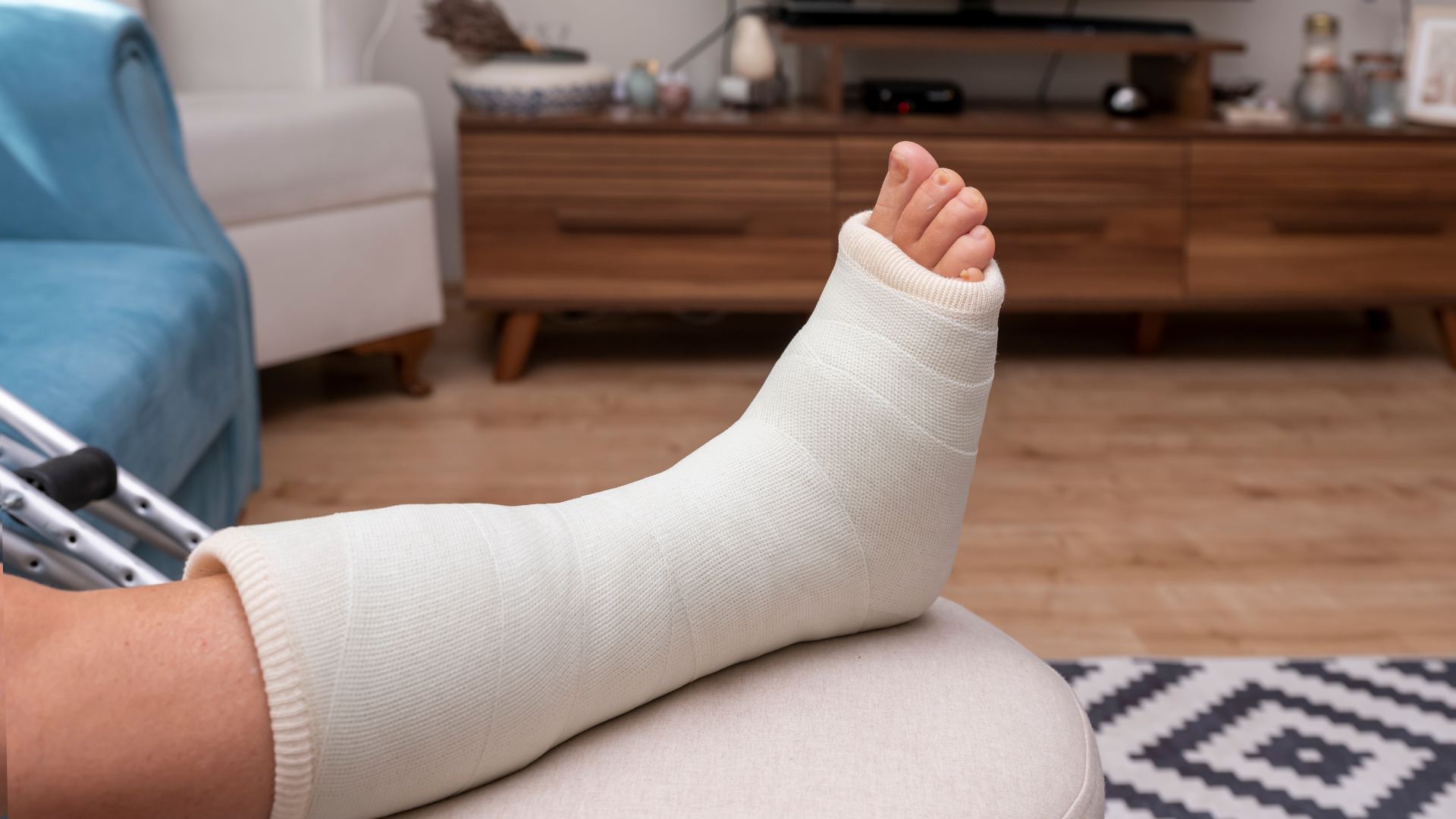
According to the facts accepted by the court, Tyler grabbed the straps of the knapsack she was wearing and pulled her backwards. She rolled over her leg and fractured her ankle. He then attempted to strangle her – fortunately without success.
Jessica’s ankle injury was serious. It required two reductions, surgery and internal hardware. She also experienced post-operative complications and continued to report pain, reduced mobility and weakness.
The court found that the incident was not isolated. It formed part of a broader pattern of abusive conduct by Tyler during the relationship, including an earlier assault that had resulted in criminal charges against him.
The Award: $90,000
Tyler did not participate in the trial. The court found him liable to Jessica for assault and battery. It awarded her $60,000 in general damages for the physical and psychological injuries she suffered at Tyler’s hands.
But the court also awarded Jessica an additional $30,000 in aggravated damages — and that is where the connection to Ahluwalia becomes particularly important. Aggravated damages compensate for intangible injuries to a person’s dignity and feelings caused by the high-handed or insulting manner in which a wrong was committed. The Supreme Court in Ahluwalia noted that higher awards for aggravated damages “reflects an emerging understanding of the evils of intimate partner violence and its harms”.
Here, the court noted that Tyler had been abusive to his intimate partner Jessica – with whom he was in a relationship of trust – for several years. The abuse included continued violence, even though he had been criminally charged in the past. Tyler’s attempt to strangle her was also very serious, and took place at a time when he was bound by an undertaking to the court to not have any contact with Jessica at all, and to be of good behaviour.
The Takeaway for Survivors
If you are a survivor of Intimate Partner Violence, the decision in Simon v. Reis is very noteworthy.
For one thing, it’s important to notice that Jessica originally sought much more than $90,000 (it was closer to $1.2 million), including compensation for lost income, treatment expenses and psychological injuries. Unfortunately, much of that claim failed; she had not produced sufficient evidence about her psychological injuries, prognosis, employment losses or expenses. Nor did she provide expert evidence about any permanent impairment she suffered, or what her future care needs might be. So the court dismissed her claims for certain types of damages entirely, for lack of the necessary evidence.
This underscores the importance of assembling solid evidence to advance any monetary claims.
Secondly, the Simon v. Reis ruling shows the courts’ willingness to expressly apply the Ahluwalia principles in the right circumstances, and to award significant damages where warranted. This is encouraging news for survivors of Intimate Partner Violence everywhere.
If you think you might have a claim, give our offices a call. We can help you get the compensation you deserve.