

Q&A: Understanding Restraining Orders in Ontario

You may have heard the term “restraining order”, but you may not be clear on what it means, how it might help you in your Family Law matter, or how to get one.
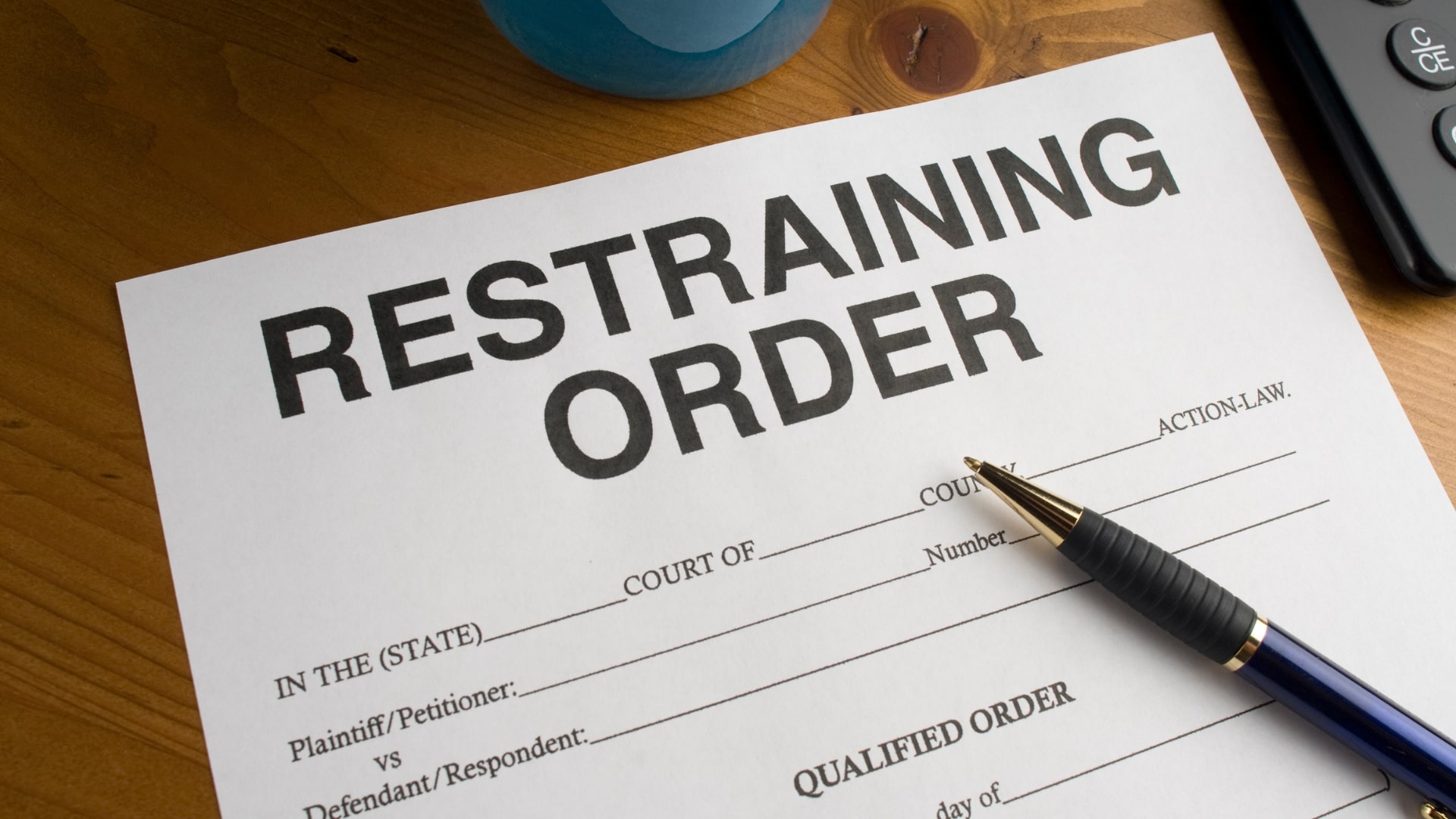
In Ontario, restraining orders (also known as Family Law Protection Orders) are a powerful legal remedy available through the Family court system, and they can play a critical role in ensuring safety during and after separation.
Here are some FAQs:
Q: What is a Restraining Order?
A: A restraining order is a specific type of court order made under Ontario’s Family Law Act. It’s a civil remedy, and roughly equivalent to a “peace bond” that can be obtained under the Canadian criminal justice system.
Q: What Does a Restraining Order Do?
A: It protects someone from harassment, threats, or violence by a spouse, former spouse, or certain family members.
Q: Who Can Apply for One?
A: In Ontario, you can apply for a restraining order if you are, or were, married to the person, or if you have lived together in a common-law relationship.
Q: Who Can Be the Subject of Restraining Orders?
A: A restraining order can be granted against your spouse/former spouse, common-law partner, or the other parent of your child.
Q: Can It Cover Relatives, or Neighbours?
A: No. As mentioned, the Family Law Act only covers cohabiting intimate partners/ex-partners or parents, and the court can only make orders that cover that grouping. If you want to restrain the conduct of someone outside that category, you’ll have to get a peace bond.
Q: What Activities Can the Order Cover?
A: A restraining order, when granted, will typically set limits on your former partner’s actions. For example, it might:
- Prevent your Ex from contacting you directly, indirectly, or through others
- Prohibit them from trying to communicate with you in specific ways (in person, phone, email, text, social media)
- Restrict them from coming within a specified distance of your home, workplace, or your children’s school
- Prohibit them from attending places that you regularly visit, such as your gym or place of worship
- Impose specific directions on them, relating to parenting time with your children or exchanges, to ensure safety.
Q: What Do I Need to Prove, To Get One?
A: The court does not grant restraining orders automatically. You must show that you have a reasonable fear for your safety, or for the safety of your children. But you don’t have to prove that harm has already occurred – you only need to establish that you have a real and legitimate fear of being harassed or harmed.
Q: What Kind of Evidence Do I Need?
A: The court will want evidence that you endured past threats, incidents of violence, stalking behaviour, or ongoing harassment. The court then reviews that evidence, and may decide to hold a hearing before determining whether to grant you a restraining order.
Q: What About Emergency Situations?
A: If the harmful situation is urgent, you can ask for a restraining order on a temporary or emergency basis, without notice to your Ex. This is called an “ex parte” order, and it is intended to provide you with immediate protection until a full hearing can be held. In this scenario you should be prepared to explain why waiting for a full hearing would put you and/or or your children at risk.
Q: What if My Ex Ignores the Restraining Orders?
A: Violating a restraining order is a serious offence, with the matter becoming a criminal one. Breaches can result in arrest, charges, and penalties under the Criminal Code.
Q: How Do I Apply?
A: You must start a Family Court case, or already be involved in one. Then you will have to:
- Complete the appropriate application forms
- File them with the court, and
- Serve them on your Ex.
Q: Do I Need to Use a Lawyer?
A: No. But since the process can be legally complex, many people do seek a lawyer’s help, especially when the need for protection is urgent.
Q: Will Getting a Restraining Order Impact My Family Law Case?
A: It could – but not in a bad way. Restraining orders often arise in the context of separation, divorce, or disputes over parenting time. Judges may consider the existence of family violence when making decisions about custody and access.
Also, practically speaking a restraining order can therefore work alongside the other court orders you may have already obtained, to create a safer framework overall for resolving your Family Law dispute with your Ex.
Do You Need Help?
A restraining order is not simply a piece of paper—it is a court-enforced protection designed to help keep you and your children safe. If you believe you may need one, it is important to act quickly and gather the information and support you need.
Fine & Associates can help. We’ll help you take all the needed steps, to quickly secure your peace of mind. Feel free to give our offices a Call or request a Free Consultation.